


I unspooled the brittle microfilm from the late summer of 1987, the harsh, dust-choked light of the archive projector illuminating the exact bleeding moment the sportswear monolith violently fractured. We prefer to view corporate history through the sanitized lens of continuous, triumphant expansion, foolishly assuming the architects who build a billion-dollar machine ride it out until a quiet, wealthy retirement. But reviewing the raw, unedited resignation memos of Rob Strasser and Peter Moore, staring at the faded ink under a flickering bulb, I realized I was looking at a crime scene.
They did not politely step down to pursue other interests. They detonated their careers.
To understand the sheer, breathtaking violence of this departure, you have to understand exactly who these two men were. Strasser was the negotiator, a massive, imposing executive who operated on pure, feral instinct and physical intimidation. He was the man who looked at a rookie basketball player out of North Carolina and recklessly gambled the entire company marketing budget on his young shoulders. Moore was the creative director, the visual engineer who designed the iconic wings logo for the Air Jordan line and drafted the arrogant, unapologetic aesthetic language that made the brand utterly untouchable on the street. They were the roaring engine block.
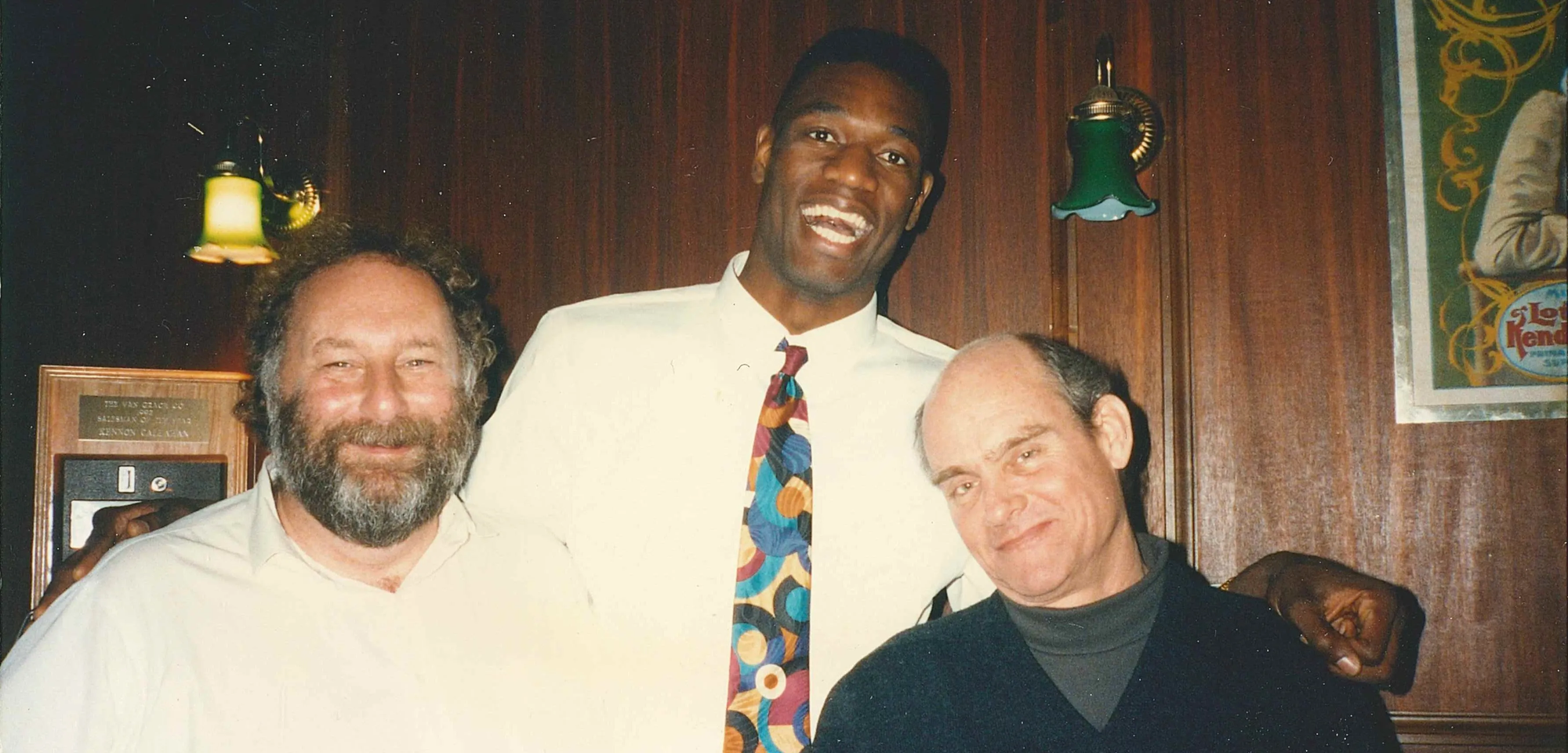
They were the cutthroat pirates who had steered the Oregon upstart through the bloodiest retail wars of the decade. But as I read the internal correspondence leading up to their final, fatal days, the cause of death was not a failure of sales or a bitter, table-pounding dispute over compensation.
It was suffocation.
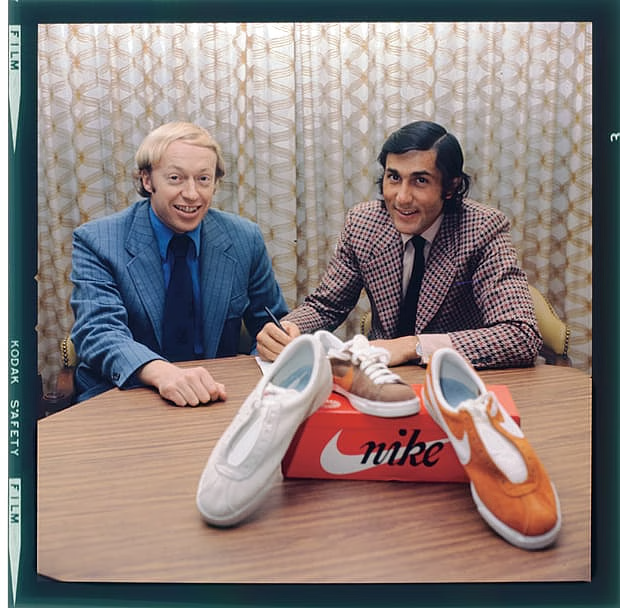
Nike had survived its precarious infancy by operating as a chaotic, high-risk gambling syndicate. The early executives routinely made multi-million dollar decisions in dark, smoke-filled bars, signed binding global contracts on damp cocktail napkins, and openly sneered at traditional corporate structure. Phil Knight had intentionally, aggressively hired a cadre of misfits, accountants with raging drinking problems, and aggressive legal brawlers because misfits inherently do not respect the established rules of engagement. They played dirty, and they won. But unbridled success is a heavy, paralyzing anchor. After the 1980 Initial Public Offering, the fundamental, chaotic chemistry of the company began to rot.
The Infection of the Suits
Wall Street demanded predictable, sterilized quarterly returns. You simply cannot promise clean predictability when your primary business model heavily relies on the gut feelings and bourbon-soaked hunches of a few rogue operators. To appease the ravenous institutional investors, the founder slowly allowed the infestation of a completely new, terrifying breed of employee: the professional manager.
Tracking the human resources flowcharts from 1985 to 1987 is a grim, depressing study in bureaucratic strangulation. The pirate ship was rapidly populated by risk-averse legal teams and bloodless market research analysts wielding thick, suffocating binders of consumer data. The brutal, rapid-fire decision-making process that had allowed the brand to repeatedly outmaneuver its slower European rivals was suddenly, violently replaced by endless committee meetings and terrified consensus-building.
I found a heavily annotated product brief from early 1986 that perfectly, tragically captured the misery. The imposing negotiator had pitched an aggressive, highly unconventional marketing push. The margins scribbled on the fragile document were filled with red ink from the legal department, sternly warning of potential liability, followed closely by a cowardly demand from a mid-level manager to subject the raw concept to a six-week regional focus group.
The men who had brutally built the empire from the mud were suddenly being asked to justify their primal, winning instincts to a board of soft accountants who had never stepped foot on a cracked asphalt basketball court. The risk-addicted culture had been thoroughly, chemically sanitized.
The CEO, once the ultimate rebel fighting the establishment, had retreated into the isolated role of a detached corporate monarch, allowing his newly hired guard dogs to cage the very men who had crowned him. The hostility radiating from the late-eighties memos is palpable, practically burning my fingers. The two architects felt they were drowning in a suffocating sea of mediocre suits. They realized the company no longer valued the erratic, brilliant violence of the pirate.
It only valued the predictable compliance of the sailor.
Briefcases Full of Blood
The breaking point was not a dramatic, screaming match in the mahogany boardroom. It was an act of quiet, absolute disgust.
In the sweltering summer of 1987, the two architects decided they had swallowed enough of the sterilization. They did not have another lucrative executive position lined up. They did not have a soft landing secretly orchestrated by a high-end headhunter. They simply looked at the suffocating, heavily managed maze of Beaverton, realized the oxygen had been entirely sucked out of the room, and walked out the glass doors.
Resigning from the most powerful athletic brand on the planet without a safety net is an act of sheer, terrifying professional arrogance. But reading the sparse, coldly typed exit paperwork, I felt the icy certainty driving their decision. They were entirely aware of their own immense leverage. They knew that the true power of the brand did not live in the sprawling brick buildings, the overseas manufacturing contracts, or the artificially inflated stock price.
The actual power lived inside their own heads.
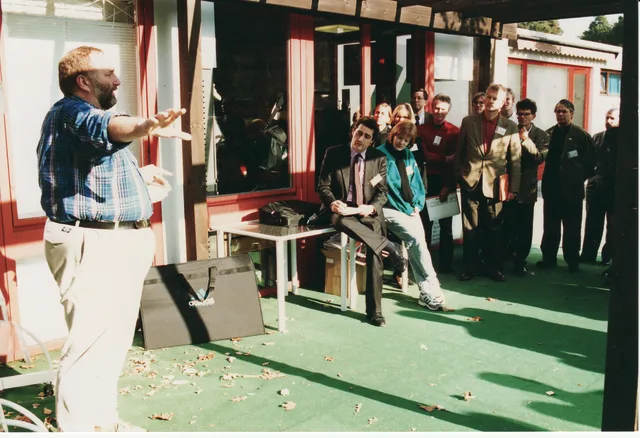
They packed up their offices, taking decades of highly classified, bleeding-edge institutional knowledge with them. They knew the exact, down-to-the-penny profit margins of the imported footwear. They knew the hidden, devastating vulnerabilities in the Asian supply chain. They understood the psychological triggers of the urban consumer base infinitely better than any sterile focus group, and they intimately knew the structural weaknesses of the rigid corporate bureaucracy they were leaving behind. They walked out of the fortress carrying the entire structural blueprint in their leather briefcases.
The Highest Foreign Bidder
They immediately formed an independent consultancy across town, blandly naming it Sports Incorporated. The stated corporate mission was to politely advise secondary brands on marketing and product development. But looking at the brutal, cutthroat geometry of the athletic footwear market in the late eighties, the reality of the maneuver was far more sinister. They had essentially set up a heavily armed mercenary outpost directly in their former employer’s backyard.
It did not take long for a desperate, bleeding foreign power to recognize the ultimate weapon sitting idle on the open market.
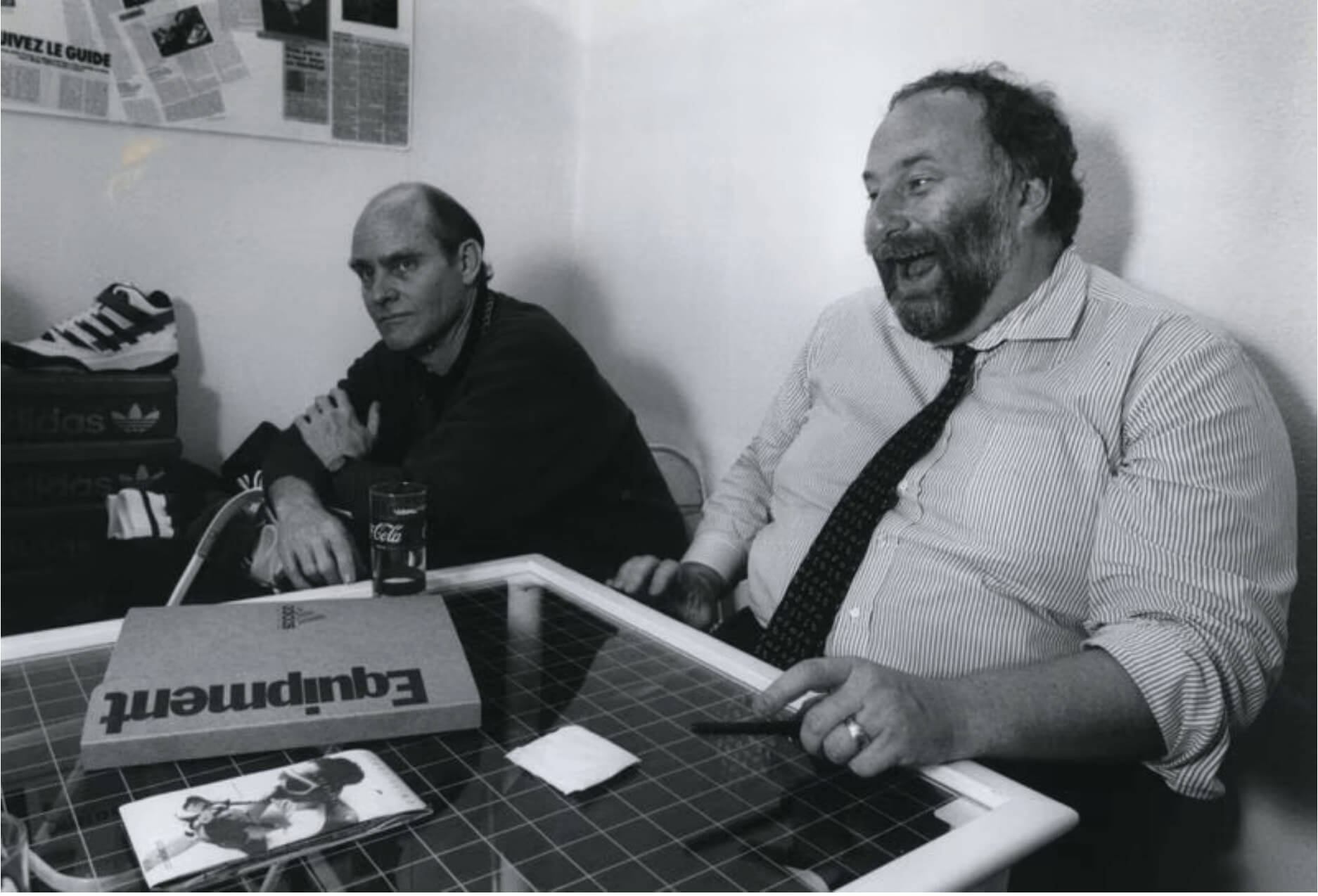
Adidas was in a state of absolute, terrifying freefall. The once-dominant German titan had been violently shoved off its global throne by the very American upstart the two defectors had painstakingly engineered. The European executives were paralyzed, trapped in their own rigid, archaic traditions, watching their precious market share evaporate month after bleeding month. They did not just need a new shoe design. They needed an immediate, massive transfusion of American street-level instinct.
I tracked the consultation contracts signed in the subsequent years between the German conglomerate and the Portland mercenaries. The foreign power did not just hire the defectors for a few polite marketing seminars. They essentially handed them the master keys to the entire European armory.
Adidas eventually bought the consultancy out entirely, placing the exiled executives in absolute command of a massive, heavily funded brand overhaul. They bankrolled a rival headquarters in Portland, allowing the architects to plant a hostile foreign flag directly across the river from Beaverton.
The Architect’s Weapon
This was not merely a lucrative business transaction. It was the mobilization of a blood feud.
When the Oregon CEO learned that his two greatest lieutenants were now drawing massive paychecks from his mortal enemy, the historical record suggests he viewed it as an act of profound, unforgivable treason. He had spent a decade ruthlessly demanding his employees view the German brand as a hostile occupying force that needed to be eradicated from the map. Now, the men who wrote his most vicious battle plans were actively commanding the opposing infantry.

But the defectors were not driven by simple, petty spite. They were driven by the clinical, ruthless precision of insiders who know exactly where the armor of the beast is thinnest. They immediately began reverse-engineering the vulnerabilities of their former company. They knew the American brand had become culturally bloated, overly reliant on flashy gimmicks, excessive neon colors, and outrageously expensive celebrity endorsements to desperately mask a slow decline in actual product innovation.
The mercenaries drafted a new offensive to violently exploit this exact weakness. They conceptualized the Adidas Equipment line. They deliberately stripped away all the noise, the neon, and the bloated marketing narratives they had originally invented in Oregon. They brutally forced the German brand back to producing grim, highly utilitarian performance gear. It was a calculated, surgical strike designed specifically to expose the artificial hype machine sustaining their old boss.

I closed the final folder of the 1987 corporate exit logs and pushed my creaking chair back from the archive table, listening to the hum of the ventilation system. We are repeatedly sold the comforting myth that massive corporations protect their dominance through relentless innovation and strict structural discipline. We are told that bringing in the expensive lawyers and the professional managers is the only way to secure the empire. But tracing the paper trail of the greatest defection in footwear history proves the exact, terrifying opposite. The boardroom sterilization did not protect the company; it actively manufactured its greatest threat. By suffocating the chaotic, high-risk operators to appease the stock market, the corporate machine foolishly forced its best architects out into the cold. And when you force the men who built your walls into exile, you should fully expect them to walk across the street, hand the blueprints to your sworn enemy, and show them exactly where to place the dynamite. ~
BrandAnatomy operates independently. You can anonymously fund future forensic deep-dives.
Sources
- Katz, D. (1994). Just Do It: The Nike Spirit in the Corporate World. Random House.
- Strasser, J., & Becklund, L. (1991). Swoosh: The Unauthorized Story of Nike and the Men Who Played There. Harcourt Brace Jovanovich.