


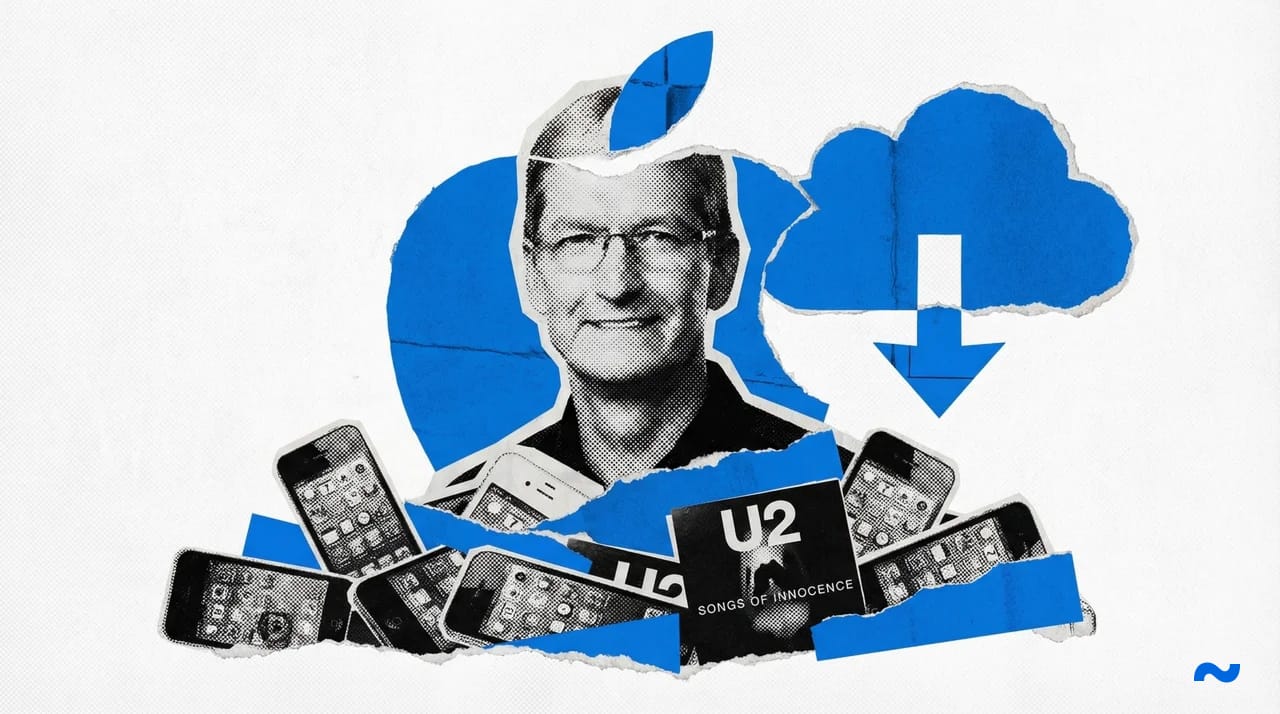
Let's talk about the sanctity of the pocket. The modern smartphone is the most intimate piece of hardware in human history. It holds our medical records, our late-night panic searches, the final text messages of dead relatives, and our curated playlists. It is a psychological sanctuary.
Brands, fundamentally, do not understand sanctuary. They only understand real estate.
In the fall of 2014, Apple executed what they genuinely believed was the greatest philanthropic marketing stunt of the twenty-first century. They bought a massive, highly anticipated rock album and gave it away to half a billion people for free. But they didn't hand it out at the door, and they didn't offer a polite download link. They picked the digital locks of five hundred million pockets, walked into the living room, and nailed the record directly to the wall.
It was a catastrophic miscalculation. It proved that the men running the most powerful technology company on earth had completely lost touch with the emotional boundary between a consumer and a screen.
The Flint Center Ego Trip
To understand the sheer arrogance of the moment, you have to smell the desperate need for validation inside the Flint Center in Cupertino.
It was September 9, 2014. Tim Cook was on stage, formally presenting the iPhone 6 and teasing the highly anticipated Apple Watch. But Cook was still operating in the massive, suffocating shadow of his predecessor, Steve Jobs. Cook was a supply chain genius, a master of operational efficiency, but he lacked the rockstar aura. He needed a cultural earthquake. He needed to prove to Wall Street and the press that he could command the global zeitgeist just like the founder used to do.
For reasons that only make sense in the sterile, hyper-wealthy vacuum of a corporate boardroom, Cook decided that the key to generating a massive cultural moment was U2.
Bono, the frontman of the aging Irish rock band, was dealing with his own terrifying crisis of irrelevance. The music industry had ruthlessly shifted to algorithmic streaming, and legacy stadium acts were bleeding cultural oxygen. The two men struck a deal in the dark. Apple reportedly paid Universal Music Group and U2 upwards of one hundred million dollars for the absolute exclusive rights to the band's new album, Songs of Innocence.
The stage was set for the grand finale. U2 played a live, driving set at the keynote. When the music stopped, Cook and Bono engaged in a painfully awkward, highly scripted piece of banter. They reached out and slowly touched fingers, simulating a divine, magical transfer of data.
In that exact second, Apple triggered an automated global script. They hard-coded the album directly into the iTunes and iCloud accounts of over five hundred million users worldwide.
They thought the world would wake up and thank them. They were dead wrong.
Breaking and Entering the Digital Sanctum
The reaction was not gratitude. It was raw, visceral panic.
People woke up, opened their phones on their morning commutes, and saw a strange, grey-and-white album cover sitting permanently in their personal libraries. The cover featured a shirtless man clutching another by the waist — a deeply uncomfortable, highly out-of-context image for a user who had never asked to look at it.
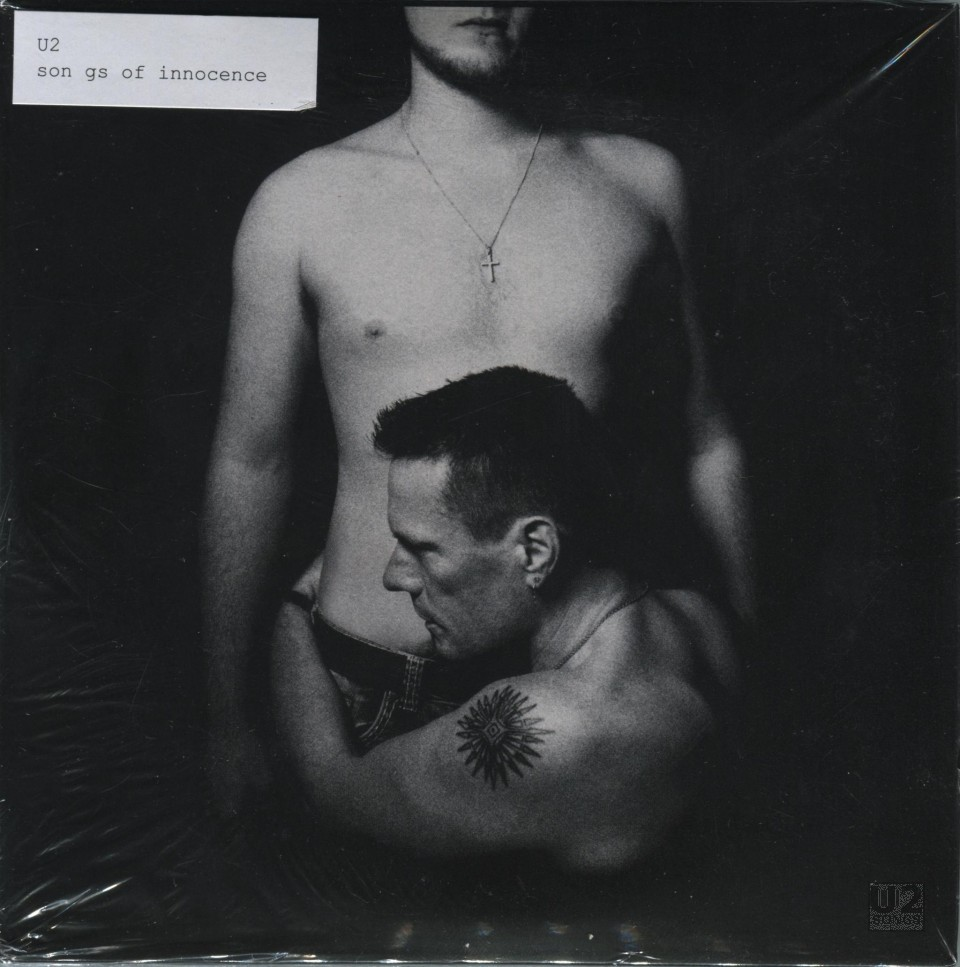
The fundamental psychological contract of the smartphone was broken.
Before this exact moment, consumers possessed a comforting belief that they actually owned their digital devices. If you bought an iPhone, you controlled what went inside it. It was your music, your photos, your curated, private existence. By force-feeding Songs of Innocence into the ecosystem, Apple violently reminded everyone that the phone was merely a leased terminal.
The corporation owned the pipes. And the corporation could pump whatever it wanted into your brain.
If Apple could silently slip a seventy-minute rock album onto your device while you slept, what else could they slip in? What else were they looking at? The stunt instantly transformed Tim Cook from a benevolent tech leader into an omnipotent digital landlord executing a massive, uninvited home invasion.
The Humiliation of the Deletion Tool
The blowback was instantaneous and brutal. Social media did not praise the generosity; it erupted with frantic tutorials on how to scrub the infection from the hard drive.
But here was the most infuriating, arrogant detail: you couldn't delete it. Because the album was injected at the root level of the iCloud purchase history, the standard user interface offered no way to remove the files. It was a permanent, undeletable tattoo on your digital soul. Customer service switchboards at Apple were utterly paralyzed. Users were furious.
Within a week, the sheer volume of public rage forced the most powerful tech company on earth to execute a humiliating, highly publicized retreat. Apple engineers had to hastily code and publish a dedicated, standalone website with a single, highly specific function: a button that permanently stripped the U2 album from your account.
Think about the gravity of that failure. A company that prided itself on seamless, frictionless joy had to build an emergency digital hazmat tool just to clean up their own one-hundred-million-dollar gift.
Bono eventually apologized in a public forum, attributing the disastrous decision to "a drop of megalomania, a touch of generosity, a dash of self-promotion, and deep fear that these songs that we poured our life into over the last few years mightn't be heard."
It was a classic, painfully human confession. But it came too late.
The Illusion of Ownership
When we study corporate marketing, we are taught to measure reach, impressions, and engagement. On paper, the U2 stunt hit every metric perfectly. It reached half a billion people overnight. It generated millions of headlines.
But it fundamentally broke the brand's halo.
The incident stripped away the warm, humanist veneer of Apple and revealed the cold, terrifying architecture of the modern internet. It proved that in the digital age, a gift is never actually a gift. It is an assertion of dominance. We learned a dark, permanent truth that September. You do not own your phone. You are simply squatting on the glass, paying a premium to a corporation, waiting for the landlord to decide what hangs on your walls. ~