


The rain in Portland rarely washes anything clean; it just makes the grime slicker. That was the exact atmospheric pressure pressing down on the headquarters of Blue Ribbon Sports in the early months of 1972. We are conditioned by glossy marketing campaigns to view the origins of mega-corporations as noble pursuits of innovation, born in garages by visionaries aiming to change the world. The truth, hidden in the dust-choked archives of federal courthouses, is usually a lot closer to a back-alley knife fight.
Digging through the 1974 civil dockets from the District of Oregon, the paper dry and brittle under the fluorescent hum of the records room, I expected to find a sterile contract dispute over shipping delays and trademark rights. Instead, I tripped over a scene ripped straight from a Cold War espionage thriller. Before there was a swoosh, before the billion-dollar endorsements, there was a desperate man in a cheap suit, snapping open another man's briefcase to steal corporate secrets.
To understand the sheer, acidic panic that drove Phil Knight to commit outright corporate theft, you have to understand the razor-thin margin his company was balancing on. Blue Ribbon Sports was not an independent manufacturer. They were a glorified middleman, importing track shoes across the Pacific from a Japanese heavyweight named Onitsuka Tiger. For years, the Oregon-based startup had acted as the exclusive American distributor for the foreign brand, aggressively pushing the product into high schools and colleges across the West Coast.
But the relationship was a hostage situation disguised as a partnership. The overseas executives held all the cards, controlling the supply line, the manufacturing schedules, and the pricing. As the American distributor grew, borrowing heavily from local banks to float massive inventory orders, their leverage paradoxically evaporated. The supplier realized they no longer needed a local liaison. The groundwork had been laid, the American market was primed, and the time had come to cut the dead weight.
The Man from Kobe
Shoji Kitami arrived in Portland not as a partner, but as an executioner. A high-ranking executive for Onitsuka Tiger, he had been sent across the Pacific on a tour of the United States. His public agenda was to review sales figures and discuss the future of the distribution contract. His private agenda was to survey the landscape, audit the success of their current distributor, and quietly interview replacements.
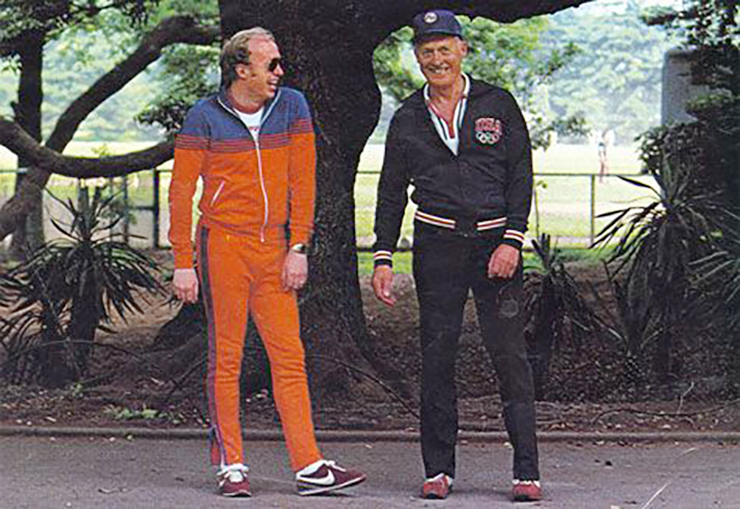
Reading through the deposition transcripts, my eyes burning from staring at faded elite type, the tension in that cramped Oregon office practically bleeds off the page. The local team knew they were being circled by vultures. Shipments from Japan had been arriving late, or stuffed with the wrong sizes, starving the American company of the cash flow they desperately needed to appease their ravenous bankers. The CEO and his partner, Bill Bowerman, were already suffocating under a mountain of debt. The arrival of the foreign executive was supposed to be a diplomatic mission to smooth over these supply chain fractures.
Instead, the man from Kobe walked in with the cold arrogance of a landlord ready to issue an eviction notice. He complained about the messy office, questioned the financial stability of the operation, and demanded a controlling stake in Blue Ribbon Sports. It was an offer to buy out the founders for pennies on the dollar under the implicit threat that if they refused, their supply of shoes would be severed immediately. It was a classic corporate shakedown: swallow the poison pill, or face the firing squad.
The Click of the Brass Latches
The facade of professional courtesy held for a few excruciating days. Meetings were conducted, ledgers were examined under harsh light, and hands were shaken over lukewarm, bitter coffee. But the survival instincts of a cornered animal are sharp, and the American founder knew he was being played for a fool.
The turning point did not happen in a boardroom or during a heated, desk-pounding negotiation. It happened in a moment of banal human necessity.
During a suffocatingly tense session in the Portland office, the Japanese executive stood up, excused himself, and walked down the hall to use the restroom. He left his black leather briefcase resting squarely on the desk.
Sitting alone in the room, the host stared at the case. It was the physical manifestation of his company's impending doom. Inside that leather box was the truth. It is rare in business history to pinpoint the exact second a leader crosses the line from a legitimate operator to a ruthless survivalist, but scanning the court documents, I felt a cold chill realizing exactly what went through his mind in the deafening silence of that office.
He did not hesitate. The former track star slid out of his chair, reached across the laminate wood, and snapped the brass latches open.
There was no guarantee the case was unlocked. There was no guarantee the executive would not turn right back around to grab a forgotten pen. It was a reckless, sweat-soaked gamble. Flipping frantically through the neatly organized files, the American's eyes locked onto a single, damning piece of paper. It was a meticulously typed hit list.
The document contained the names and contact information of eighteen other athletic distributors across the United States, outlining a scheduled itinerary of meetings on the East Coast. The man from Kobe was not just touring the country to check on his primary distributor; he was actively interviewing eighteen separate companies to fracture the territory and replace the very men sitting across the desk from him.
I had to re-read the transcript of this admission several times, rubbing the grit from my eyes. In a sworn deposition, under the heavy threat of perjury, the founder casually admitted to this act of espionage. He described pulling the document from the folder, quietly sliding it into a drawer, or copying the names down — the exact mechanical details blur in the fog of memory and legal phrasing, but the action was undeniable. He slipped the paper back, closed the leather flap, and pressed the brass latches down until they clicked.
When the executive returned to the room, wiping his hands, his counterpart was sitting exactly where he had been left. The conversation resumed. The smiles remained fixed. But the power dynamic had violently shifted.
The blindfold was off.
The Severed Artery and the Courthouse Race
Armed with the stolen intelligence, the American team knew their execution was not just a possibility; it was scheduled. The Japanese supplier was going to string them along just long enough to secure new contracts with the eighteen rivals on that list, and then sever the supply line completely, leaving Blue Ribbon Sports to drown in bank debt.
You do not survive in the cutthroat apparel industry by playing the victim. You survive by building a better weapon.
Knowing the Onitsuka Tiger contract was a dead end, the local operators accelerated a shadow project they had been quietly developing. They needed their own manufacturing pipeline, completely independent of the Kobe overlords. They needed their own brand. They reached out to different subcontractors, funneling whatever hidden capital they could scrape together into prototyping a new line of cleats and running shoes. They needed a logo, something cheap and fast, purchased for thirty-five dollars from a local graphic design student. They needed a name.
The stolen hit list bought them the most valuable currency in business: time. They played along with the foreign executive's demands, feigning compliance while frantically building parachutes behind his back.
When the inevitable explosion finally occurred, it was a race to the courthouse. Onitsuka Tiger attempted to terminate the agreement and sue for breach of contract, filing in Japan. The American side, anticipating the strike, filed a lawsuit in the District of Oregon, claiming breach of contract, trademark infringement, and demanding millions in damages.
This was not just a legal defense; it was a tactical offensive. By filing in their home jurisdiction, the American team dragged the foreign executives into a hostile arena. The trial of 1974 laid bare the ugly mechanics of international trade, and it was during this brutal cross-examination that the briefcase incident was dragged kicking and screaming into the light.
Opposing counsel tried to use the theft to paint the founder as a deceitful, untrustworthy operator. But in the gritty reality of corporate warfare, a judge and jury often look past the breach of etiquette if it exposes a larger, more malicious fraud. The stolen list proved that the supplier had been dealing in bad faith, actively plotting to destroy their partner while demanding absolute loyalty. The espionage, though legally dubious, framed the American company as the victim of a calculated assassination plot.
The Birth of a Predator
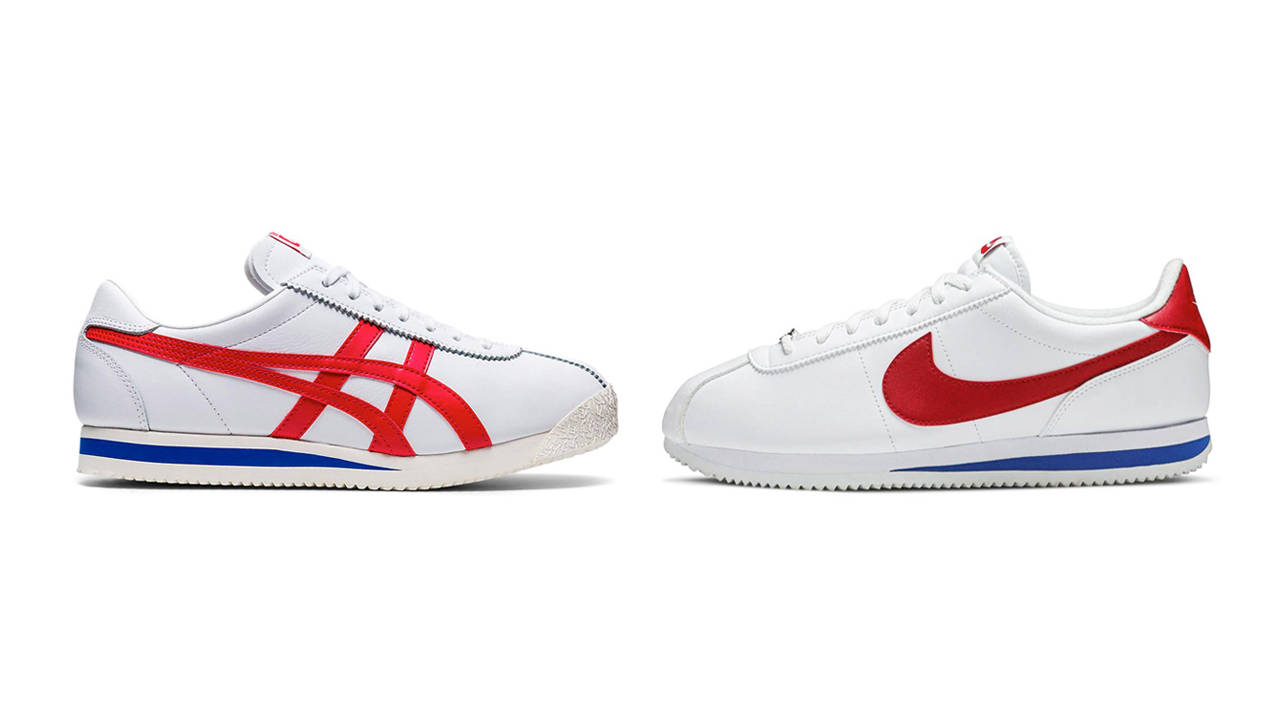
The judge ultimately ruled in favor of the local boys. The American company was allowed to retain the rights to the shoe designs they had co-developed, including the lucrative Cortez silhouette, and was awarded a substantial financial settlement. But the real victory was not the cash. The real victory was the severance.
The forced independence birthed Nike.
If that black leather briefcase had remained locked, if the executive had taken it with him to the restroom, the Oregon outfit would have remained blind. They would have continued pouring their limited resources into a doomed partnership, right up until the exact moment their supply was violently cut off. They would have gone bankrupt in a matter of months, relegated to a minor, forgotten footnote in the history of athletic footwear, crushed without remorse under the heel of an overseas giant.
Instead, the act of snapping those brass latches open stripped away the illusion of corporate partnership, revealing the fundamental, ugly truth of the free market: no one is coming to save you, and your closest ally is likely the one sizing up your neck.
We like to believe empires are built on inspiration, pristine vision, and relentless hard work. We prefer the comfortable myth of the visionary to the jagged reality of the operative. But looking at the foundation of the largest sportswear monolith on the planet, the concrete isn't mixed with just sweat and innovation. It is mixed with the cold, calculated paranoia of a man who realized that to avoid becoming the prey, he had to become the predator. ~
BrandAnatomy operates independently. You can anonymously fund future forensic deep-dives.
Sources
- Blue Ribbon Sports v. Onitsuka Co., Ltd., No. 73-452 (D. Or. 1974).
- Knight, P. (2016). Shoe Dog: A Memoir by the Creator of Nike. Simon & Schuster.
- Strasser, J., & Becklund, L. (1991). Swoosh: The Unauthorized Story of Nike and the Men Who Played There. Harcourt Brace Jovanovich.