


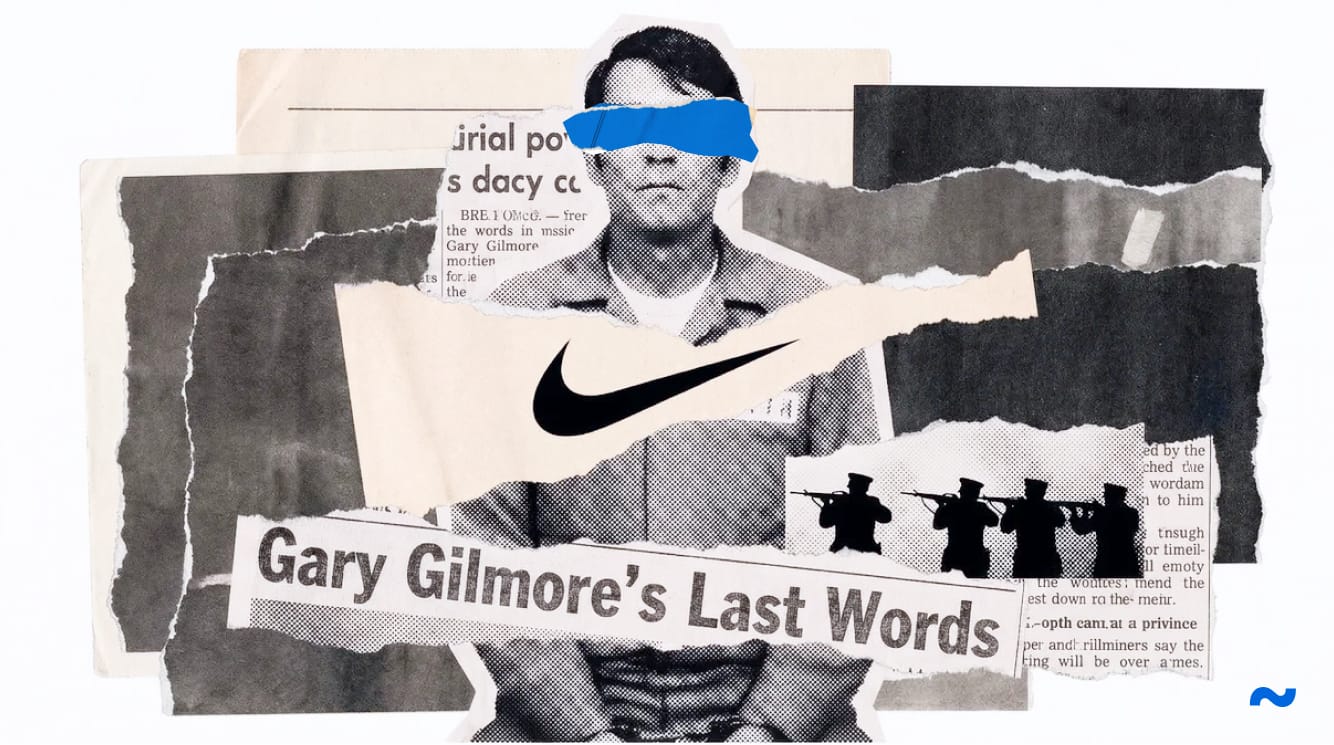
I spent three days locked in a forgotten corporate docs. I was hunting for the genesis of the most recognizable marketing command in human history. We are conditioned to believe that billion-dollar slogans are immaculate conceptions, birthed in gleaming boardrooms by high-paid psychologists optimizing human motivation. The paper trail from the late 1980s tells a much uglier story. The archives reeked of panic.
By the winter of 1987, Nike was bleeding out. The aggressive, dirt-under-the-fingernails running syndicate that had violently clawed its way to the apex of the athletic footwear food chain was suddenly suffocating in a sea of pastel. The fitness landscape had fundamentally fractured. The grim suffering of jogging was out. The sanitized, studio-lit bounce of aerobics was in.
A British rival, Reebok, had successfully identified that millions of consumers did not actually want to bleed on a rain-slicked asphalt track. They wanted to stretch in climate-controlled studios wearing soft garment leather. The overseas competitor was systematically gutting the Oregon powerhouse, capturing the lucrative female demographic and seizing the undisputed number one spot in the industry.
Reading through the internal memos from that era, my fingers stained with decades-old toner, the absolute terror of the executive team is palpable. They were losing the war because they lacked a cohesive identity. They were staring down a chaotic slate of five upcoming television commercials, each aimed at a wildly different demographic, ranging from millionaire professional basketball players to eighty-year-old amateur marathoners. They desperately needed a unifying battle cry. They needed a linguistic hammer to smash the soft, brightly colored dominance of their rival and reassert their own gritty, unforgiving ethos.
They turned to their advertising agency, Wieden+Kennedy, demanding a miracle. They got a weaponized piece of death row poetry instead.
The Midnight Architect
Dan Wieden was out of time. The co-founder of the upstart agency was sitting up late in the suffocating quiet of the night before the final presentation, staring down a disjointed collection of commercial reels. The pitch was scheduled for the next morning. If he failed, his firm risked losing its primary client, and the sportswear brand risked losing the entire decade to its British nemesis.
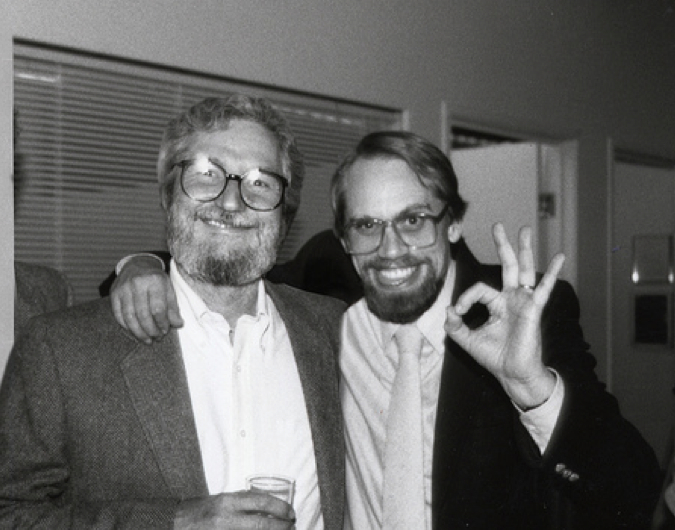
The ad man needed a heavy thread to stitch the five disparate television spots together. He needed a phrase that spoke to the elite, untouchable athlete but simultaneously resonated with the overweight amateur forcing themselves out of bed for a morning walk. Standard motivational drivel was completely hollow. "Go for it" lacked teeth. "Try your best" sounded like a pathetic participation trophy.
In the desperate, lonely hours of the night, his mind drifted away from the gleaming, hardwood gymnasiums and the millionaire athletes. It drifted toward the cold, concrete floor of a Utah state penitentiary.
A decade earlier, a career criminal named Gary Gilmore had robbed and murdered a gas station attendant and a motel manager in completely senseless, cold-blooded acts of violence. But it was not the sheer brutality of the crimes that made him a cultural fixation; it was his reaction to his own sentencing. When the state condemned him to die, he did not file an appeal. He did not beg the governor for clemency. He actively, aggressively demanded his own immediate execution by firing squad.
On the morning of January 17, 1977, strapped tight to a leather chair with a canvas hood pulled over his head and five rifles pointed directly at his chest, the killer was asked if he had any last words. He did not offer a tearful apology. He did not offer a trembling prayer to a higher power. He simply stared into the suffocating darkness and uttered three words of absolute, chilling finality.
"Let's do it."
Sitting alone in his dimly lit office, the exhausted advertising executive realized the sheer, unfeeling power of that sentiment. It was the ultimate expression of intent. There was no hesitation. There was no pathetic negotiation with pain, fear, or consequence. It was the total surrender to an inevitable, brutal action. The architect tweaked the pronoun to make it slightly more personal, shifting it from a collective invitation to a solitary, unforgiving command.
He wrote down: "Just do it."
It was a sociopath’s final resignation, repackaged as athletic motivation.
The Art of the Omission
The true, sinister genius of the campaign was not the creation of the slogan. It was the active, deliberate concealment of its origin.
I tracked down the original pitch decks and meeting notes from that fateful presentation at the Nike headquarters. It is a stunning masterclass in corporate cognitive dissonance. How exactly do you walk into a boardroom full of panicked, squeamish executives — men desperate to sell premium sneakers to suburban housewives — and tell them you want to brand their multinational company with the final breath of a convicted double-murderer?
You don't. You lie through omission.
Reviewing the transcripts of the room, running my thumb over the fading type, I was struck by the absolute absence of the ghost. The advertising team did not walk in and display a stark photograph of the Utah firing squad. They did not mention the gas station attendant or the motel manager who bled out on the linoleum floor.
They entirely scrubbed the bullet holes from the concept.
Instead, they projected the isolated phrase onto the screen and pitched the attitude. They sold the desperate executives on the grit, the unwavering determination, and the uncompromising American spirit. They framed the slogan as an aggressive, masculine answer to the soft, comfortable aesthetic of their competitors.
Even with the sanitized presentation, the boardroom fiercely resisted. Phil Knight, the notoriously abrasive founder of the footwear empire, looked at the tagline and immediately recoiled. According to the historical record, the CEO explicitly told the agency, "We don't need that shit." He felt it was unnecessary, overly aggressive, and lacked the sophisticated polish they needed to reclaim the market.
But the ad man pushed back. He told his client to trust him. It was a blind leap of faith driven entirely by the ticking clock and the sheer, crushing weight of their competitor’s market share. They had absolutely no other viable options on the table. Reluctantly, with heavy sighs and serious misgivings, the board approved the campaign.
They signed off on the executioner’s slogan, completely oblivious to the corpse it was dragged from.
The Bloodless Coup
When the campaign finally aired in 1988, it violently reshaped the consumer landscape. The first television spot featured Walt Stack, an eighty-year-old marathoner jogging across the Golden Gate Bridge in the freezing morning air, joking about leaving his false teeth in his locker. At the end of the commercial, the stark, white letters appeared silently against a pitch-black screen.
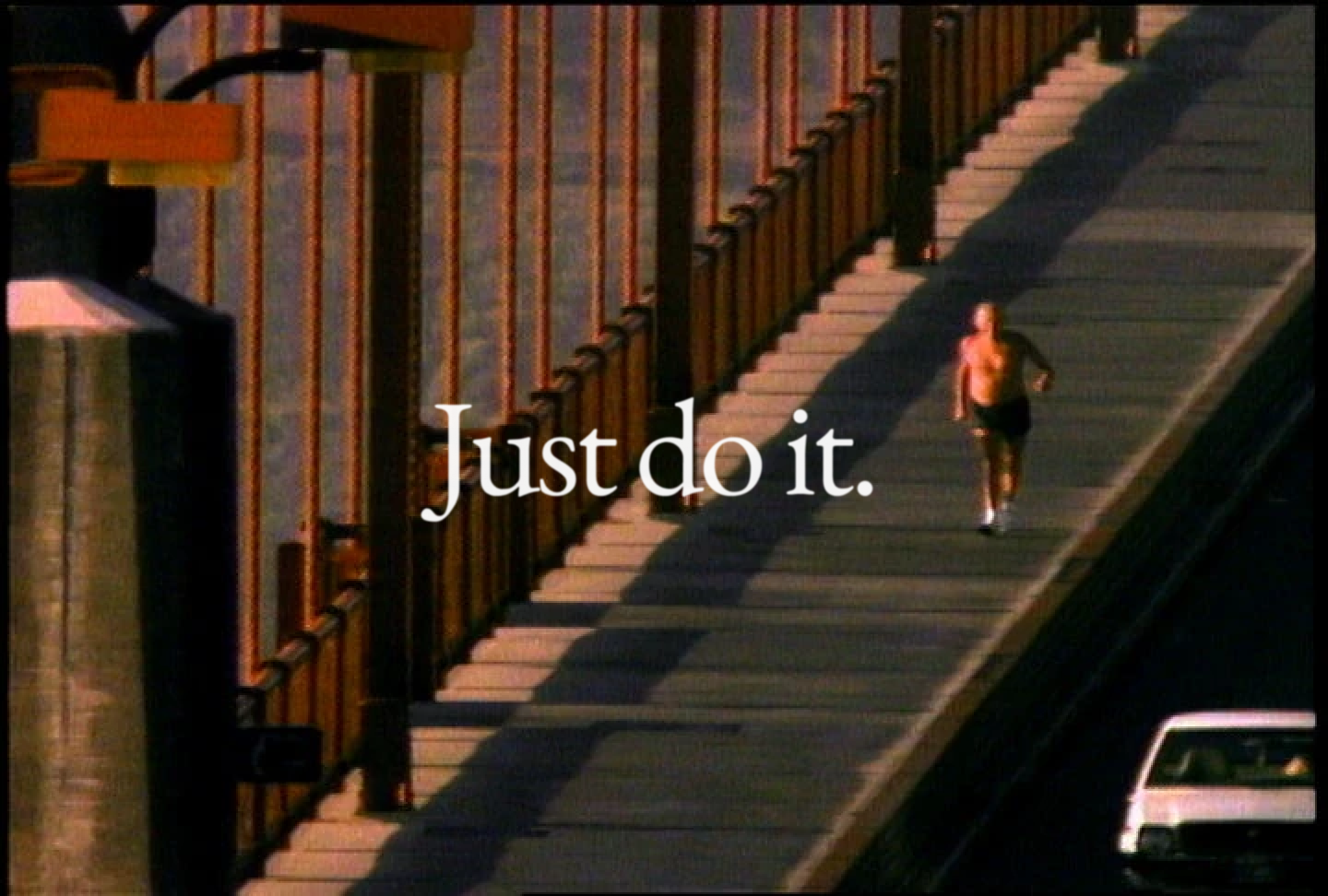
The impact was immediate, seismic, and devastating. The campaign did not ask the consumer to enjoy their workout. It did not promise them health, happiness, or warm social acceptance. It bypassed the rational brain entirely and tapped directly into the dark, relentless drive of human nature.
It demanded obedience.
Reebok and their pastel leotards never stood a chance. The British company was selling the joyful liberation of movement, but the Oregon executives were suddenly selling the grim finality of execution. Consumers responded to the brutalism. The slogan became a virulent cultural virus, instantly propelling the struggling company back to the absolute pinnacle of global dominance — a position it would ruthlessly defend for the next forty years.
I closed the final archival folder, listening to the harsh fluorescent lights of the storage room buzzing overhead like angry hornets. We desperately want to believe that the premium brands we wear reflect our highest, most noble ideals. We buy the shoes, we wear the moisture-wicking shirts, and we plaster the corporate slogans across our chests, utterly convinced we are participating in a shared ethos of empowerment and victory. We assume the marketing machinery is fueled by the honest sweat of champions.
But stripped of the glossy television spots and the billion-dollar endorsement deals, the foundation of the modern athletic empire is fundamentally rooted in a much darker soil. The machinery works precisely because it hacks into the coldest, most uncompromising corners of the human psyche.
Tomorrow morning, millions of people will wake up hours before dawn. They will stare at their running shoes in the cold, quiet dark. They will feel the overwhelming, biological urge to quit, to crawl back into the warmth of their beds, to negotiate with their own exhaustion. And then, driven by a manufactured instinct they do not fully understand, they will swallow their hesitation and obey the final, unapologetic command of a dead man facing a firing squad. ~
BrandAnatomy operates independently. You can anonymously fund future forensic deep-dives.
Sources
- Gilmore, M. (1994). Shot in the Heart. Doubleday.
- Strasser, J., & Becklund, L. (1991). Swoosh: The Unauthorized Story of Nike and the Men Who Played There. Harcourt Brace Jovanovich.