


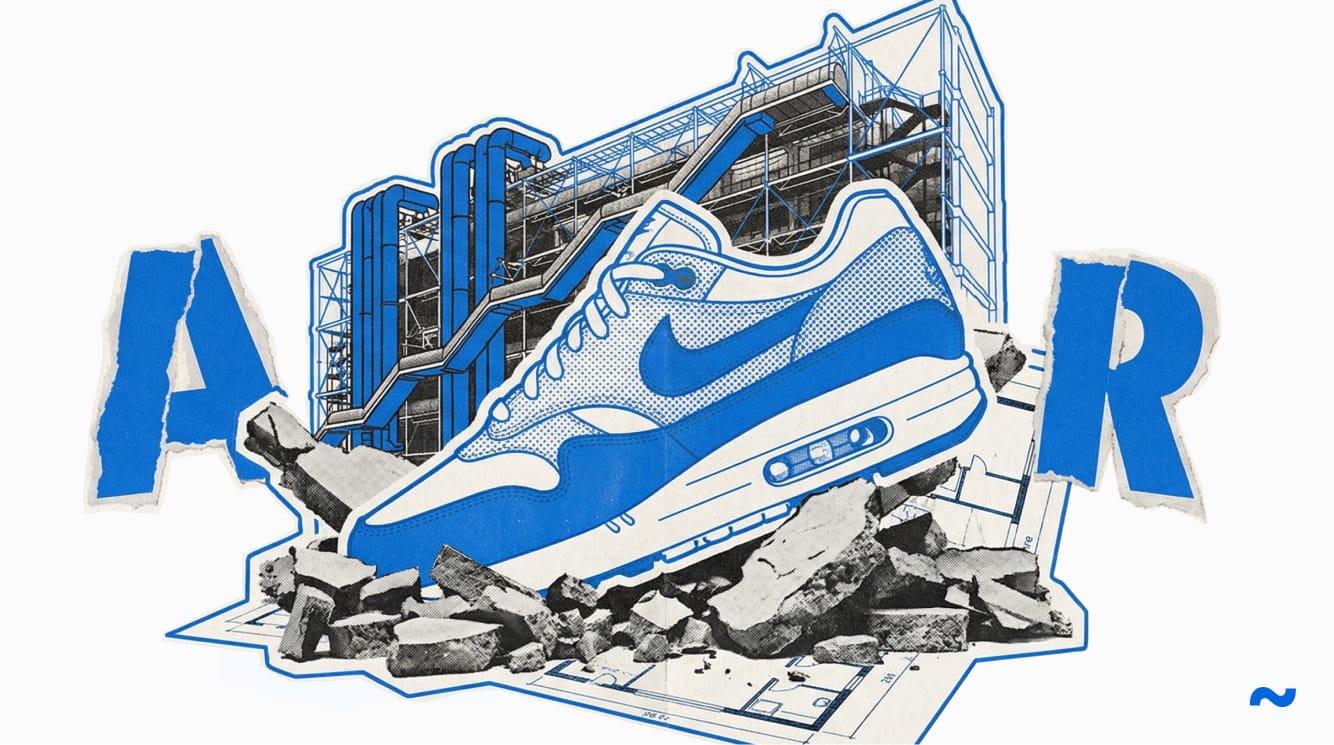
I sifted through the frantic, panic-stained internal correspondence of the mid-1980s. When you violently strip away the retroactive mythology constructed by modern marketing departments, the archival reality of Nike in 1986 reads less like a visionary business plan and more like a medical chart for a terminal patient. The once-untouchable running syndicate was stalling out in the dirt. They were hemorrhaging vital market share to overseas rivals pushing soft garment leather and the neon, studio-lit aesthetics of the aerobics craze. The Oregon executives were desperate, bleeding cash, and completely out of ideas.
Their primary problem was not a lack of technology. It was a crisis of perception.
For nearly a decade, the brand had been secretly burying pressurized gas pockets inside the thick, opaque foam soles of their athletic footwear. They branded it Air. It was a legitimate, highly measurable biomechanical advantage that reduced impact and exponentially extended the lifespan of the shoe. But reading through the raw, unfiltered consumer focus group transcripts from that era, tracing the typed complaints of confused teenagers, the brutal truth of the retail floor becomes painfully obvious. The buyers did not care.
They did not care because they could not see it.
The executives were arrogantly asking consumers to pay a premium for a ghost. In a cutthroat, margin-thin retail environment, demanding blind faith from a skeptical public is corporate suicide. If the engine is hidden beneath a thick hood of opaque foam, the consumer naturally assumes the engine is a lie. The brand had engineered a superior, revolutionary weapon, but they had buried it in a concrete bunker where it was completely useless. They needed a way to violently, undeniably prove the technology existed, but the traditional footwear designers were paralyzed by rigid industry conventions.
They needed someone who didn't know the rules well enough to respect them. They needed an architect.
The Inside-Out Monster of Paris
Before he was handed the master keys to the sportswear kingdom, Tinker Hatfield was not a cobbler. He was a corporate architect, originally hired to design office buildings and sterile retail spaces on the sprawling Oregon campus. He was rigorously trained to think in terms of structural loads, cold steel framing, and the complex psychology of physical space.
When the corporate brass abruptly, inexplicably reassigned him to the footwear division, they likely expected him to draft clean, orderly, highly compliant silhouettes. Instead, the architect boarded a transatlantic flight to France and found the exact, chaotic blueprint required to tear the company apart.
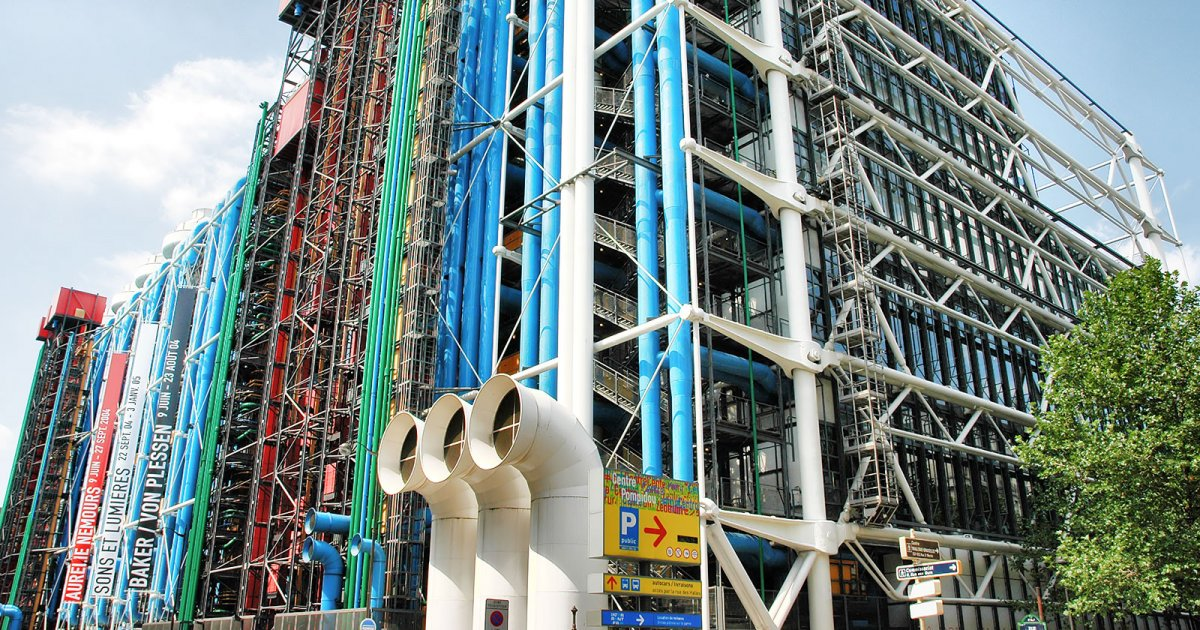
Walking the rain-slicked streets of Paris, he did not find inspiration in high fashion or pristine boutique storefronts. He found it in an architectural heresy. The Centre Georges Pompidou is a massive, polarizing, aggressive structure dominating the fourth arrondissement. When it was constructed in the 1970s, it completely scandalized the traditional, pearl-clutching architectural establishment. Traditional buildings politely hide their vital organs. They bury the galvanized ductwork, the copper plumbing, and the humming electrical grids behind elegant, dishonest facades of smooth drywall and polished stone.
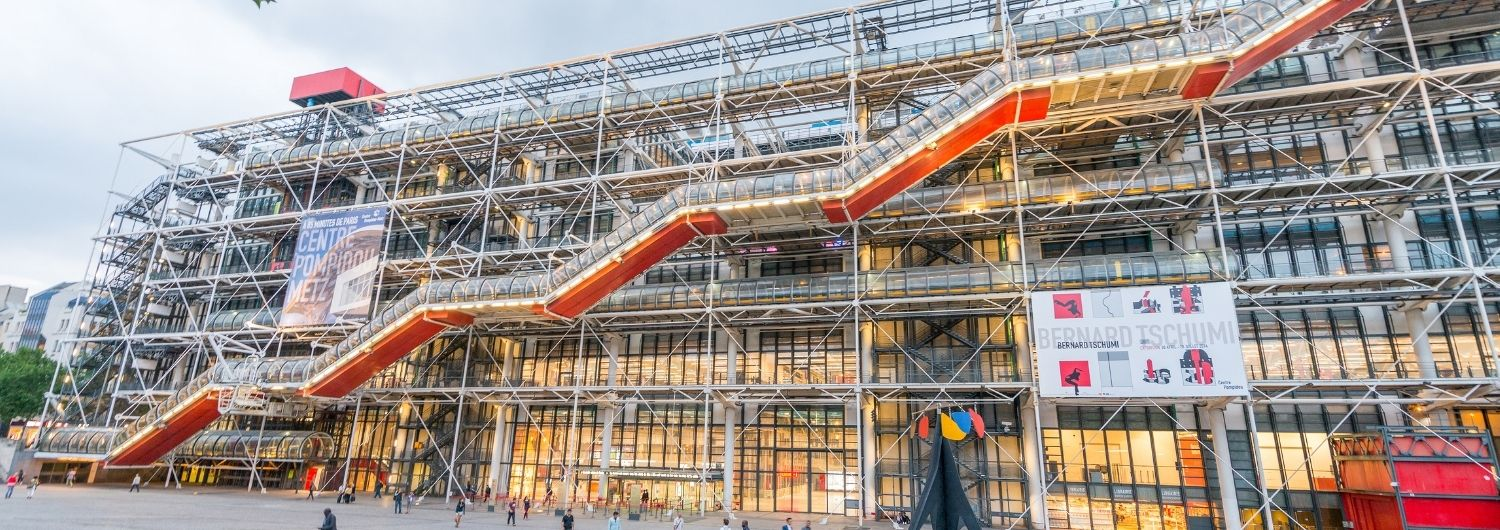
The Pompidou did the exact opposite. It was a brutalist machine turned entirely inside out.
Standing on the Parisian pavement, Hatfield stared up at the brightly colored exterior tubes carrying rushing water and recycled air. He looked at the exposed, unapologetic skeletal framework. The building was completely, brutally transparent about exactly how it functioned. It actively forced the casual observer to confront the raw, mechanical reality of its existence.
Tracing his hand-scrawled notes from that trip across the yellowing archival paper, the epiphany is a sudden, sharp, violent pivot. The former building designer realized that the footwear industry was committing the exact same sin as traditional masonry. Nike was cowardly hiding its most valuable mechanical asset behind a cheap wall of dense foam. If the consumer did not fundamentally believe the pressurized gas existed, the solution was not to write better, more persuasive marketing copy.
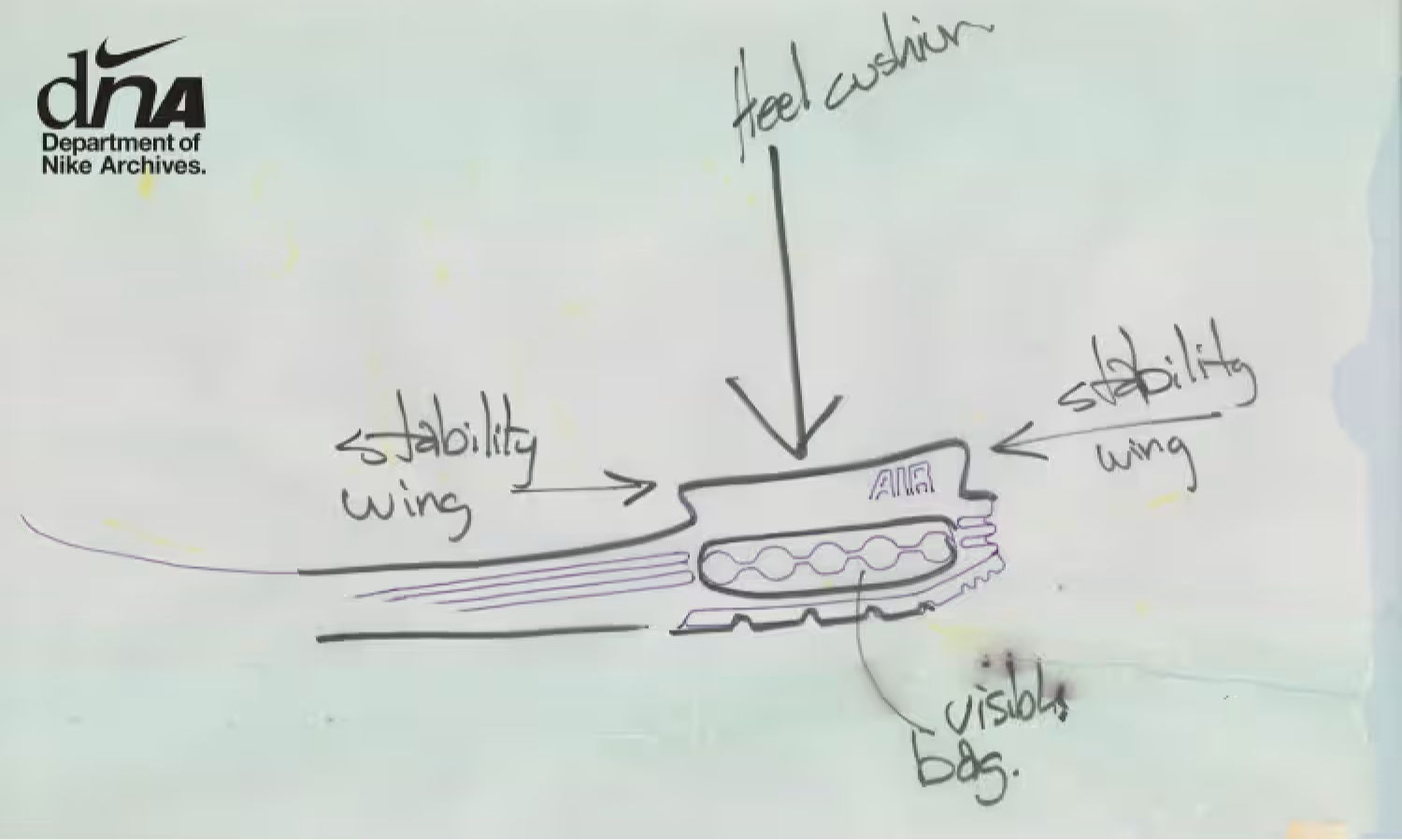
The solution was to cut a hole in the wall and force them to look at the plumbing.
The Boardroom Bloodbath
He returned to Oregon, sat at his illuminated drafting table in the dead of night, and drew a shoe with a literal, gaping window sliced out of the heel. It was the bloody genesis of the Air Max 1.
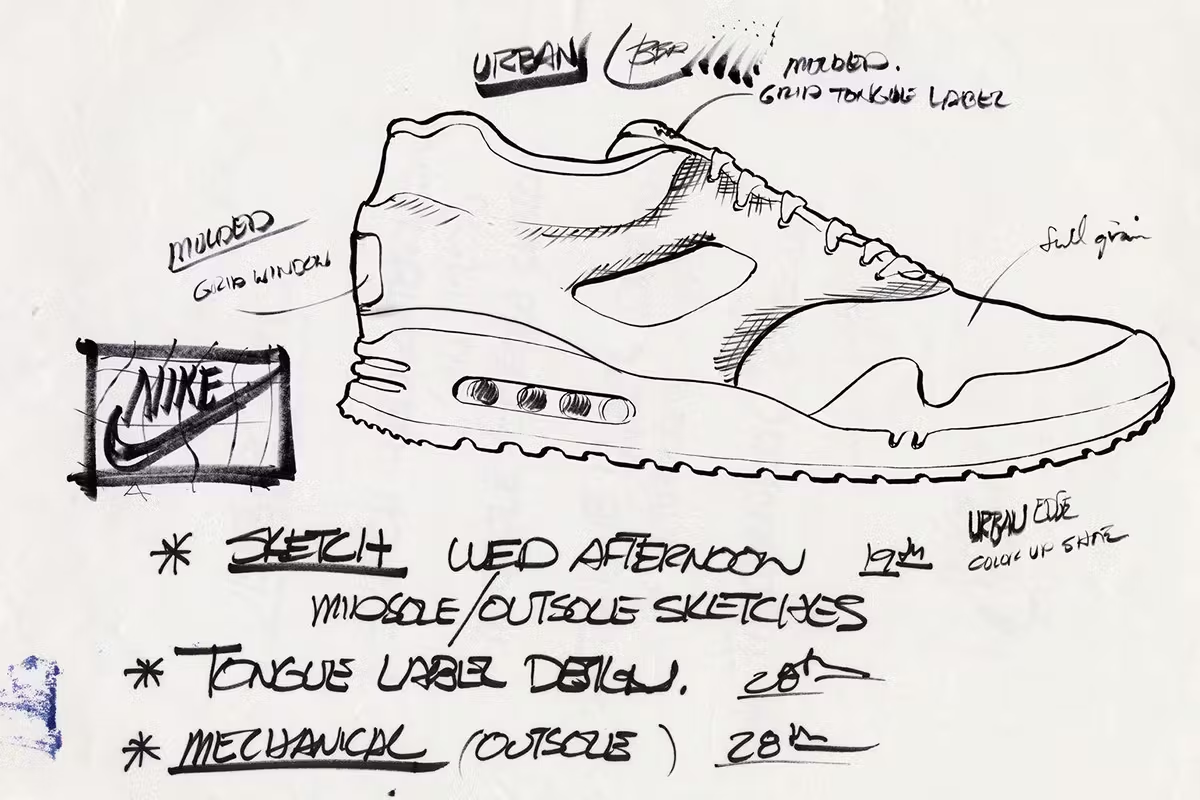
When I pulled the 1987 internal design memos detailing the initial, tense pitch meetings for this concept, I naively expected to find a sanitized narrative of visionary collaboration. Instead, I found a damning paper trail documenting an absolute boardroom bloodbath.
The executives were terrified.
Pitching the concept of a visible structural void to a room full of conservative, number-crunching shoe executives is akin to pitching arson to an insurance adjuster. The immediate reaction was not breathless awe; it was violent, desk-pounding rejection. The engineering department fiercely argued that carving a massive, hollow chunk of foam out of the load-bearing heel would catastrophically compromise the structural integrity of the entire chassis. The marketing department looked at the exposed, fragile plastic membrane and completely panicked, utterly convinced that consumers would view it as a fatal, laughable weakness. They envisioned a crippling public relations nightmare where thousands of runners accidentally punctured the pressurized bubbles on broken glass or jagged gravel, collapsing the shoe and the brand simultaneously.
The resistance was not passive or polite. It was an active, highly coordinated attempt to kill the project in the crib and purge the designer from the payroll. Scanning the carbon-copied human resources correspondence surrounding the brutal development cycle, the architect and his small, loyal faction of allies were repeatedly threatened with immediate termination. The corporate machine viewed his architectural approach as an act of blatant, dangerous insubordination. He was a rogue employee deliberately attempting to sabotage the standard, highly profitable manufacturing process by introducing a bizarre, structurally compromised gimmick.
But the architect refused to blink. He knew what the executives failed to grasp: the perceived vulnerability was the entire point.
The Margin of Survival
Hatfield engaged in a brutal, exhausting campaign of corporate guerrilla warfare. He deliberately bypassed the rigid chain of command, quietly working directly with rogue aviation engineers and advanced prototyping facilities to mathematically prove the structural viability of the exposed bubble. He weaponized the looming, existential threat of the brand’s declining sales, coldly arguing that playing it safe was a guaranteed death sentence. If the empire was going to bleed out in the dirt anyway, they might as well die attempting something spectacular.
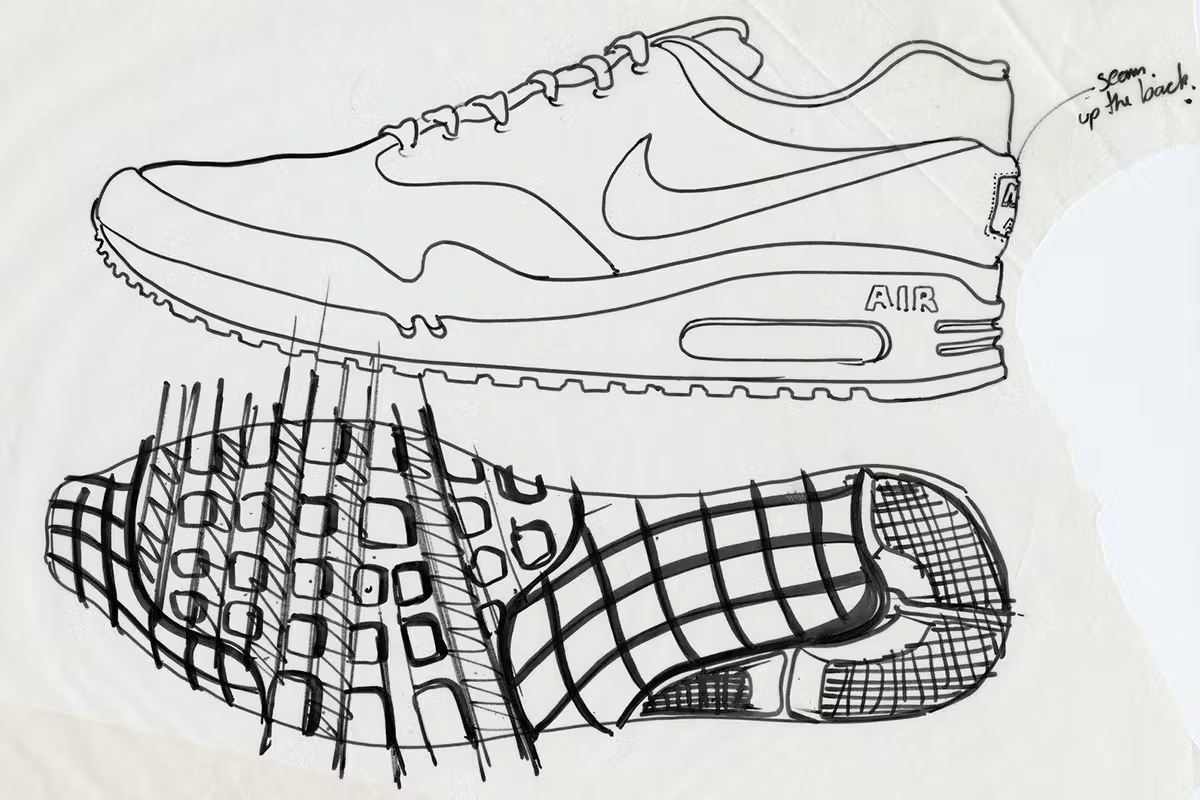
Through sheer, uncompromising force of will, the Air Max 1 survived the gauntlet of corporate executioners. But forcing the overseas factories to actually build the heresy was another nightmare entirely. The microscopic manufacturing tolerances required to perfectly seal a polyurethane bag, inject it with precisely calibrated gas, and frame it flawlessly within a carved foam midsole pushed the Asian assembly lines to their absolute, screaming breaking point.
When the first production models finally rolled off the line, smelling of hot glue and fresh synthetic rubber, they looked completely alien. They did not look like traditional running shoes.
They looked like mechanical lungs strapped to a synthetic chassis.
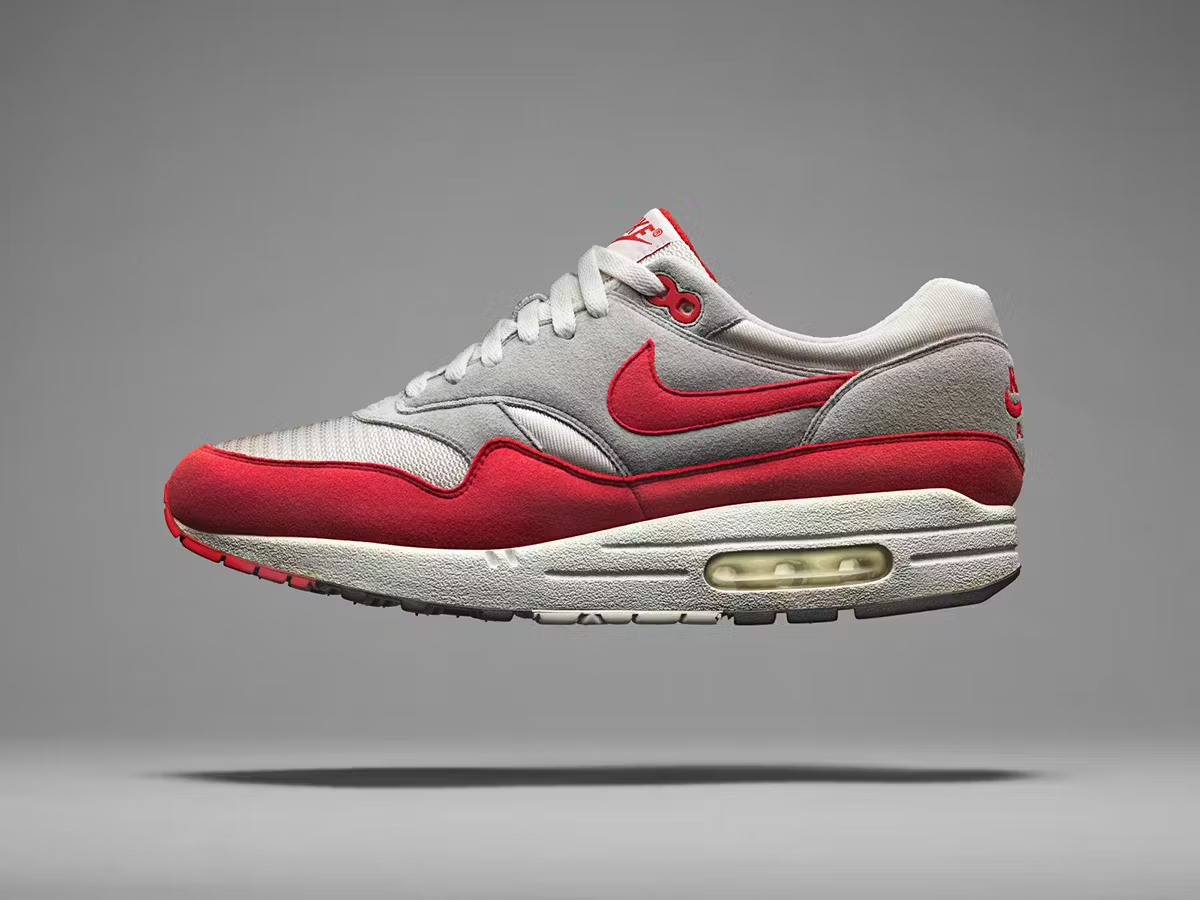
The stubborn designer had successfully smuggled the aggressive structural philosophy of the Pompidou into a mass-market athletic shoe. The opaque, cowardly wall had been torn down. The guts were spilling out for the entire world to see.
The Anatomy of a Revolution
When the silhouette finally hit the retail shelves in 1987, the impact was immediate, seismic, and violently disruptive. It fundamentally rewired the psychology of the global consumer.
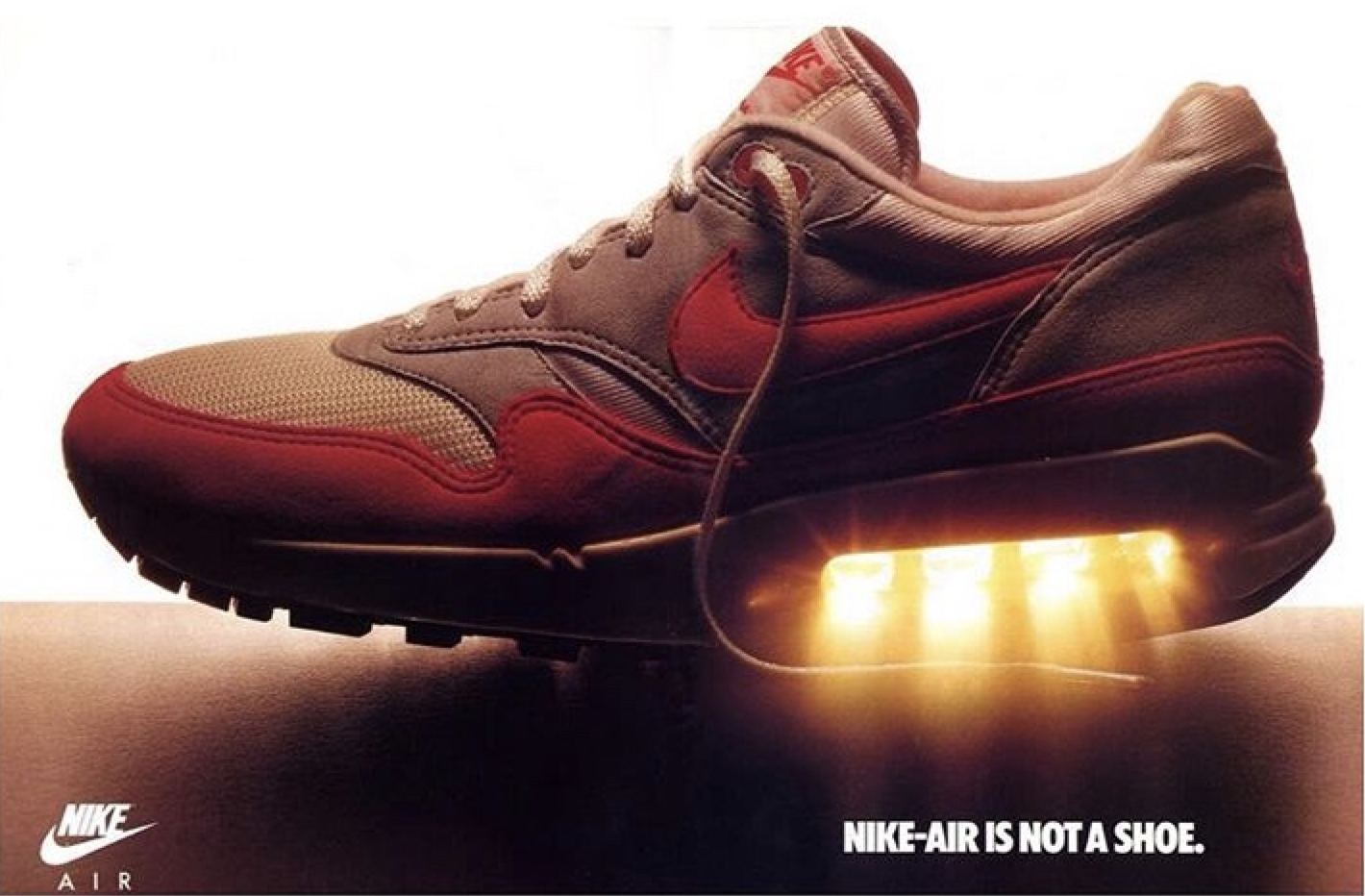
The internal, sweat-soaked panic of the marketing department proved to be entirely misplaced. Buyers did not look at the exposed window and fear a catastrophic puncture. They looked at it and saw pure, empirical proof of a technological advantage. The sheer transparency entirely eliminated the desperate need for blind faith. The consumer could physically press their thumb against the exposed, pressurized membrane and feel the mechanical resistance of the brand's proprietary engineering pushing back. It was an undeniable, tactile reality.
The Air Max 1 did not just save the struggling company from imminent financial ruin; it publicly, ruthlessly executed the entire industry standard of invisible innovation. The Oregon monolith instantly rendered every single competitor’s product obsolete simply by turning their own internal organs outward.
I closed the heavy archival folder on the 1987 production logs, pushing my chair away from the cold metal desk. We are constantly conditioned by glossy corporate documentaries to believe that great design is the natural result of harmonious collaboration and forward-thinking leadership. We are taught that massive corporations inherently foster innovation by encouraging creative freedom. But the faded ink on the termination threats tells the actual, bleeding story. True innovation is almost never welcomed by the corporate machine; it is usually viewed as a lethal, terrifying threat to the established bureaucracy. The most iconic technological leap in the history of athletic footwear only exists because a rogue architect recognized that the only way to save a stagnant empire was to force the executives to literally cut their own product open, exposing the bloody, mechanical truth underneath. ~
BrandAnatomy operates independently. You can anonymously fund future forensic deep-dives.
Sources
- Hatfield, T. (2017). Abstract: The Art of Design (Season 1, Episode 2). Netflix.
- Strasser, J., & Becklund, L. (1991). Swoosh: The Unauthorized Story of Nike and the Men Who Played There. Harcourt Brace Jovanovich.
- García, B. (2015). Out of the Box: The Rise of Sneaker Culture. Skira Rizzoli.