


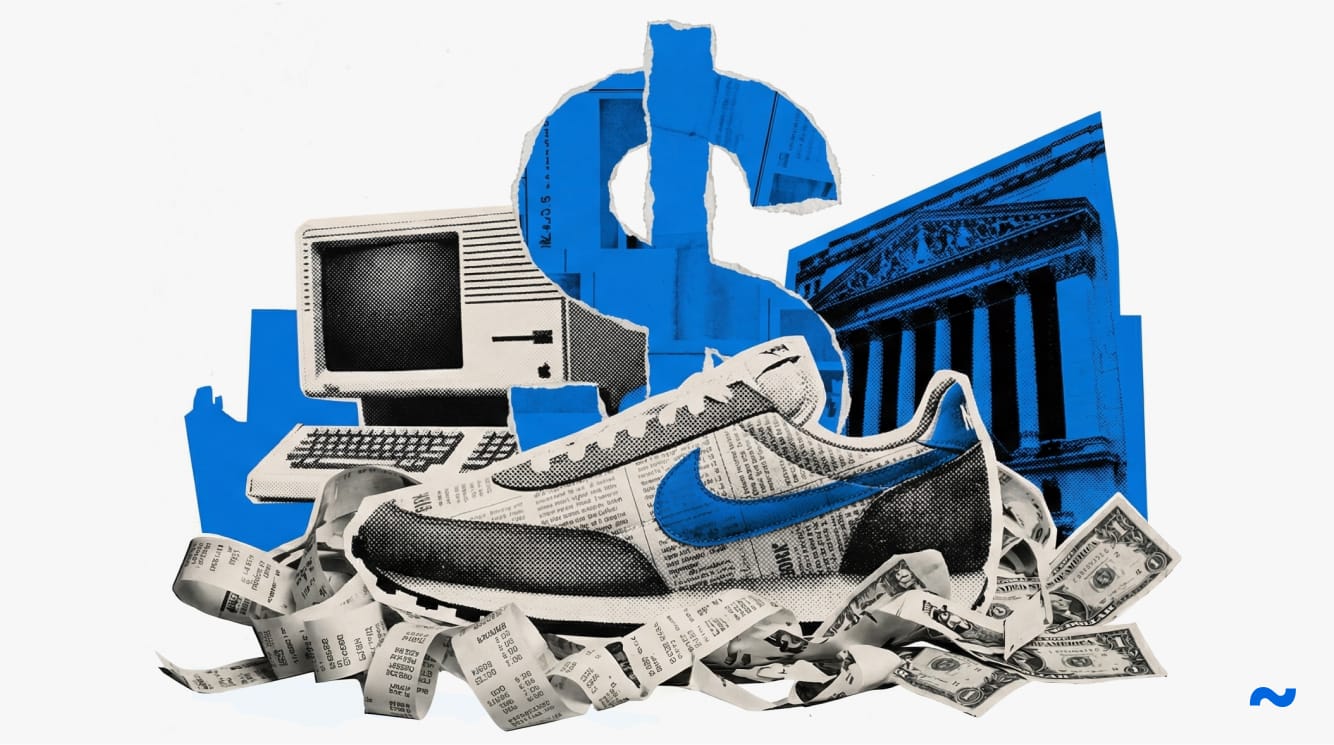
I cross-referenced the brittle, yellowing pages of the December 1980 financial calendars, expecting to map out a straightforward, sterile timeline of corporate expansion. History naturally prefers clean, isolated narratives, but the raw, unredacted data of the stock market rarely obliges the mythmakers. In the final, freezing weeks of that year, the American financial establishment was violently forced to absorb two radically different corporate architectures entering the public domain at the exact same time.
One was a technology startup operating out of a California garage. The other was a sportswear manufacturer bleeding cash into the damp soil of the Pacific Northwest.
We view the Initial Public Offering — the legendary IPO — as the ultimate validation of a capitalist dream. It is the cinematic moment the garage operators finally cash their chips and ascend into the global aristocracy. But lining up the S-1 prospectuses of Apple and Nike side by side on my cluttered desk, the glossy illusion of the universal corporate triumph shatters completely. The two companies went public in the exact same week, pitching their futures to the exact same syndicate of manicured East Coast underwriters. Yet the internal, desperate motivations driving them to Wall Street could not have been more violently opposed.
While Silicon Valley embraced the public offering as a messianic coronation of the future, the Oregon shoemakers treated their IPO as a grim, necessary extortion payment. They were not ringing the bell to change the world. They were ringing the bell to stop the bank from locking their doors.
The Messianic Coronation
To understand the bitter hostility radiating from the sportswear executives, you have to look at the breathless circus happening five hundred miles to their south.
In Cupertino, Steve Jobs and his inner circle were orchestrating a financial spectacle. They were selling more than just printed circuit boards and beige plastic casings; they were aggressively selling a fundamental shift in human consciousness. The personal computer was framed as an absolute, unstoppable inevitability. The tech founder approached the underwriting process with the supreme, terrifying arrogance of a visionary who knew he held the keys to the next century.
Reading the contemporary accounts of the Apple roadshow, the atmosphere was electric, bordering on religious hysteria. The institutional investors in New York and Boston were desperate to buy into the myth, throwing money at the California executives, fully believing they were financing the dawn of a new era. The public offering was a coronation. It was the market willingly bowing down to superior intellect.